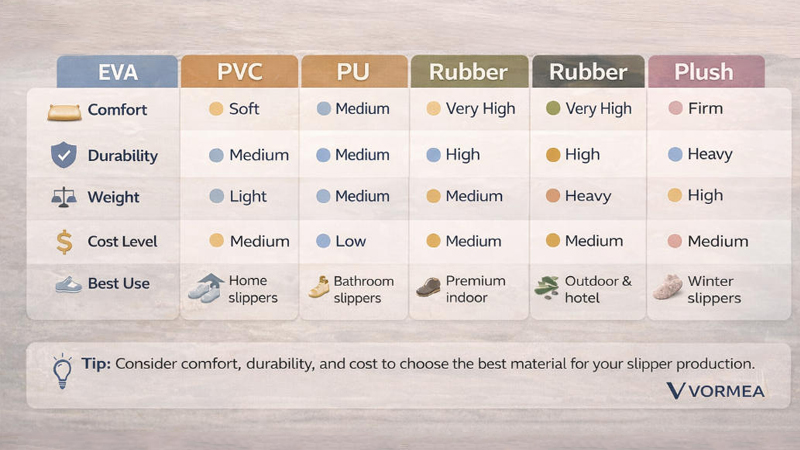
When I first started working with slipper buyers, I thought design mattered most. But real OEM projects taught me something deeper — materials define product success.
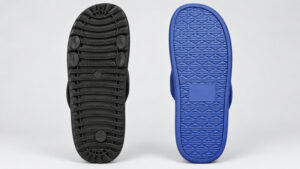
Slipper materials directly impact comfort, durability, pricing, and brand positioning. Common options include EVA, PVC, PU, rubber, and plush — each suited for different manufacturing needs, from budget bathroom slippers to premium indoor footwear and outdoor rubber sole designs.
Choosing the right slipper material affects comfort, durability, pricing, and brand positioning. In this guide, I’ll walk you through the most common slipper materials used in global manufacturing.
Featured Snippet
The most common slipper materials include EVA, rubber, PVC, PU, and fabric. EVA is lightweight and comfortable, rubber provides durability and traction, PVC offers cost efficiency and waterproof performance, PU creates premium appearance, and fabric materials deliver softness and warmth. The best material depends on the slipper’s intended use, target market, and production requirements.
What Are the Main Materials Used in Slippers?
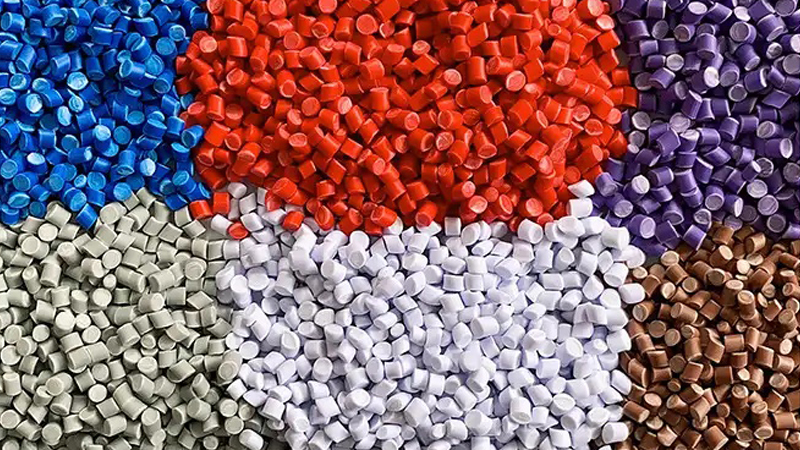
Slippers are made from different materials depending on their intended application.
For mass-market and OEM production, the most common materials include:
| Material | Main Advantages | Common Applications |
|---|---|---|
| EVA | Lightweight, soft, flexible, cost-efficient | Casual slippers, slides, everyday footwear |
| Rubber | Durable, abrasion resistant, good traction | Outdoor slippers, premium soles |
| PVC | Affordable, waterproof, easy molding | Bathroom slippers, budget footwear |
| PU | Premium appearance, leather-like finish | Fashion slippers, premium indoor footwear |
| Fabric & Plush | Soft, warm, comfortable | Winter slippers, home footwear |
Each material represents a different balance between:
- performance
- cost
- manufacturing efficiency
- customer expectations
For example, a hotel slipper project may prioritize comfort and cost control, while a premium lifestyle brand may focus more on appearance and material story.
EVA Slippers: Lightweight & Cushioned
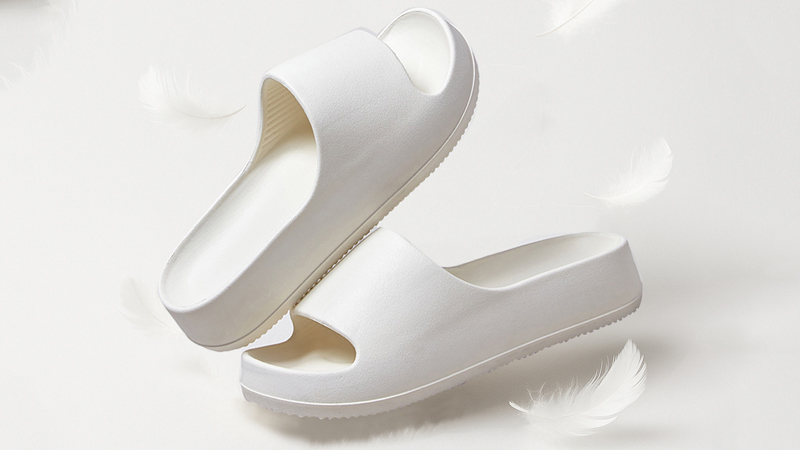
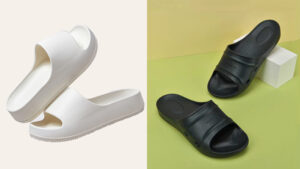
EVA is one of the most widely used materials in modern slipper manufacturing.
EVA stands for Ethylene Vinyl Acetate, a foam material known for its lightweight structure, flexibility, and cushioning performance.
In slipper production, EVA is commonly used for:
- one-piece molded slippers
- midsoles
- footbeds
- lightweight outsoles
For many OEM buyers, EVA is often the first material considered because it provides a strong balance between:
- comfort
- production efficiency
- cost control
Why EVA Is Popular for Slippers
EVA offers several advantages:
Lightweight Comfort
One of EVA’s biggest advantages is its low weight.
This makes EVA slippers comfortable for:
- daily wear
- indoor use
- casual walking
Cushioning and Flexibility
EVA provides a soft underfoot feeling and good flexibility.
This is why EVA is widely used in comfort-focused footwear.
Efficient Manufacturing
EVA is suitable for large-scale production because of:
- mature molding technology
- stable supply chain
- efficient production processes
For wholesale buyers, this helps maintain competitive pricing.
Limitations of EVA
Although EVA is an excellent slipper material, it is not designed for every application.
Compared with rubber, EVA generally has:
- lower abrasion resistance
- less ground protection
For products requiring higher durability, manufacturers may combine EVA with other materials or choose different sole structures.
Learn more about EVA properties, manufacturing, and OEM applications in our guide:
What Is EVA Material in Slippers? Properties, Manufacturing & OEM Guide
PVC Slippers: Waterproof & Budget-Friendly
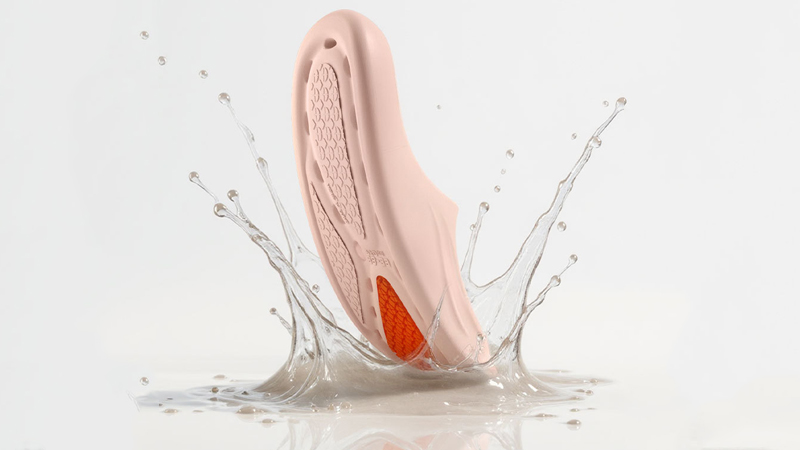
When buyers come to me with tight budgets — especially for hotel or promotional projects — PVC is often the first material we evaluate.
It’s not the softest option. It’s not the most premium either. But for specific use cases, PVC performs reliably while keeping production costs under control.
I once worked with a resort supplier who needed 50,000 pairs of disposable bathroom slippers. EVA would have pushed the project over budget. Switching to PVC reduced total cost by nearly 18% — without affecting functional use.
That’s where PVC shines: volume efficiency.
Advantages of PVC Slippers
PVC remains popular in price-sensitive markets because it provides:
- affordable production costs
- stable quality
- good water resistance
For large-volume projects where cost control is important, PVC can be a practical option.
Limitations of PVC
Compared with EVA, PVC generally provides:
- less cushioning
- less softness
- heavier wearing feeling
Therefore, PVC is usually selected based on market positioning rather than maximum comfort.
Learn more about PVC applications:
What Is PVC Material in Slippers? Advantages, Disadvantages & OEM Guide
PU Slippers: Premium Indoor Positioning
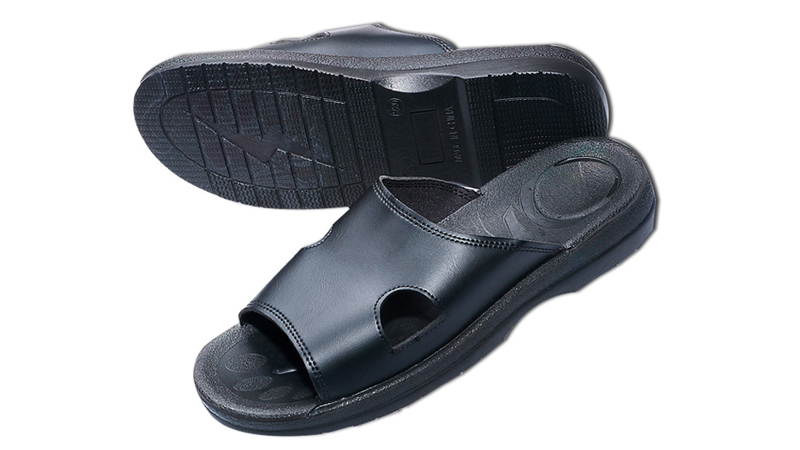
PU slippers usually come into discussion when branding enters the conversation.
Retail buyers, lifestyle brands, and boutique hotel projects often want something that looks premium before customers even try it on.
PU delivers that perception.
The texture resembles leather. The surface finish feels refined. And structurally, PU holds its shape better over time than many foam-based materials.
Why Brands Choose PU
- Leather-like visual appeal
- High durability for indoor wear
- Comfortable barefoot contact
- Premium retail positioning
Advantages of PU Slippers
PU offers several benefits:
- premium appearance
- flexible design options
- comfortable wearing experience
- stronger brand differentiation
For private label brands, PU can help create products that look more valuable compared with basic mass-market materials.
Limitations of PU
Although PU provides a premium appearance, it also has some limitations.
Compared with EVA:
- production can be more complex
- cost is usually higher
- it may require more attention to material quality
Therefore, PU is generally more suitable for premium markets rather than highly price-sensitive projects.
Learn more about PU applications:
PU Slippers: Premium Material Guide for OEM Buyers
Rubber Sole Slippers: Outdoor Durability
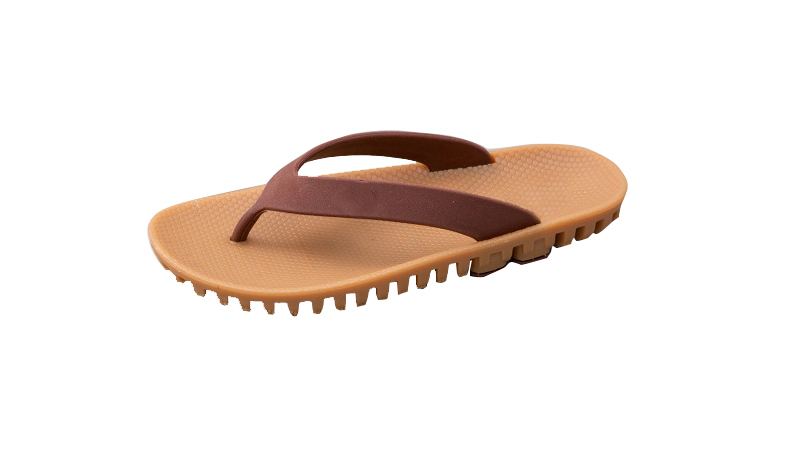
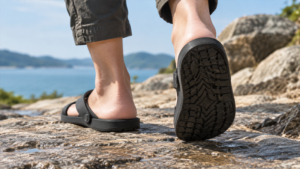
Rubber is one of the most important materials when durability and traction are the priority.
Compared with EVA, rubber is generally heavier and firmer, but it provides advantages in:
- abrasion resistance
- ground grip
- outsole protection
Rubber is commonly used in:
- outdoor slippers
- premium sandals
- durable footwear
- anti-slip applications
Why Rubber Is Used in Slippers
The main purpose of rubber is usually performance improvement.
Rubber helps improve:
- outsole lifespan
- wear resistance
- traction on different surfaces
This makes rubber especially valuable for products that experience more frequent ground contact.
Advantages of Rubber Soles
Rubber soles provide:
Better Durability
Rubber has strong abrasion resistance, making it suitable for long-term use.
Improved Traction
Rubber compounds and outsole patterns can improve grip performance.
Better Outdoor Performance
For slippers designed for:
- outdoor walking
- wet environments
- frequent use
rubber can provide additional protection.
Limitations of Rubber
Despite its advantages, rubber is not always the best choice for every slipper project.
Compared with EVA, rubber is usually:
- heavier
- less focused on lightweight comfort
- more expensive
For many products, combining EVA comfort with rubber durability can create a better balance.
Learn more about rubber sole applications:
Rubber Sole Slippers: Durability & Anti-Slip Benefits
Fabric & Plush Slippers: Comfort & Warmth
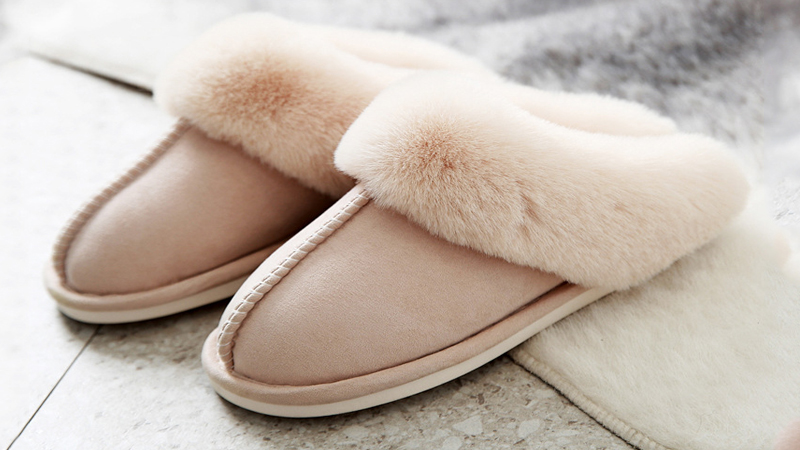
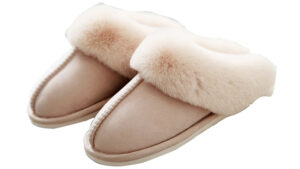
Fabric and plush slippers belong to an entirely different comfort category.
Instead of focusing on durability or waterproofing, they prioritize warmth, softness, and lifestyle aesthetics — particularly in colder climates.
Many winter OEM projects combine plush uppers with EVA or rubber soles to balance indoor comfort with basic structure support.
Advantages of Fabric and Plush Slippers
Fabric and plush materials provide:
- soft touch
- warmth
- comfortable indoor experience
- wide design possibilities
They are popular for:
- cold weather products
- gift slippers
- home lifestyle brands
Common Fabric Materials
Common upper materials include:
- fleece
- plush fabric
- cotton fabric
- microfiber
- synthetic textiles
Different fabrics create different levels of:
- softness
- warmth
- appearance
Limitations of Fabric Slippers
Fabric slippers are usually not designed for:
- wet environments
- outdoor use
- easy cleaning compared with EVA or PVC
Therefore, material selection should match the intended application.
For example:
- EVA is often better for waterproof daily use
- Fabric is often better for warm indoor comfort
Learn more about fabric and plush slipper applications:
Fabric & Plush Slippers: Comfort & Winter Applications
Advanced & Specialty Materials
Not all slipper projects rely on mainstream materials.
Some niche or high-concept designs incorporate specialty sole technologies for specific market positioning.
Supercritical EVA
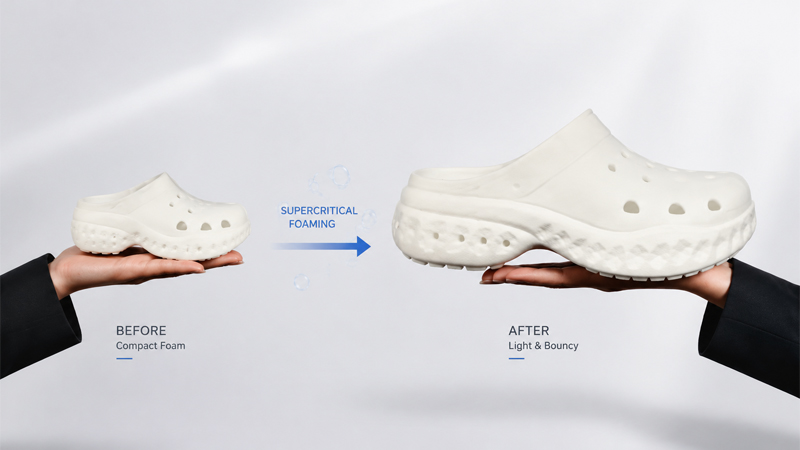
Supercritical EVA represents an advanced development direction of traditional EVA foam technology.
Compared with standard EVA, supercritical EVA focuses on improving foam structure, cushioning response, and performance characteristics for higher-end footwear applications.
However, it is not replacing traditional EVA.
Traditional EVA remains one of the most widely used slipper materials because of its:
- mature manufacturing process
- reliable performance
- lightweight comfort
- cost efficiency
Supercritical EVA provides an additional option for brands looking for upgraded material performance.
Learn more:
Supercritical EVA vs Traditional EVA Slippers: A Guide for OEM Buyers
Cork Soles
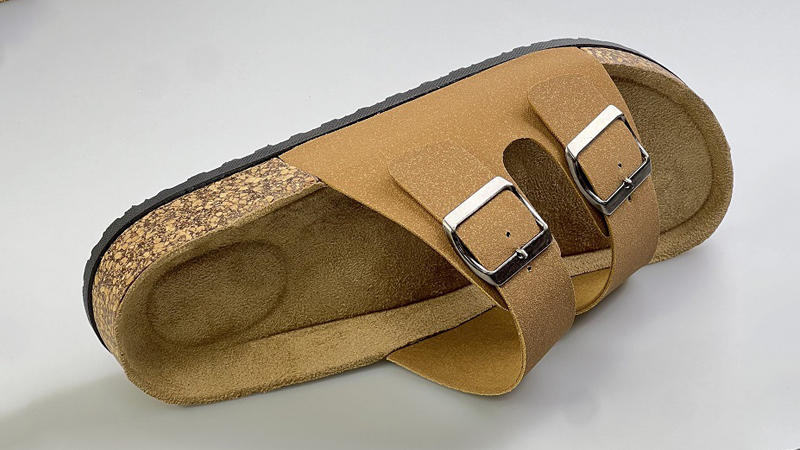
Cork soles have gained popularity in eco-conscious footwear collections.
Their natural texture and sustainability positioning appeal strongly to lifestyle and boutique brands.
| Feature | Cork Sole |
|---|---|
| Eco-friendliness | High |
| Weight | Light |
| Water resistance | Low |
Learn more:
Cork Sole Slippers: Eco-Friendly Footwear Guide
EVA and Rubber Combination Sole Structures
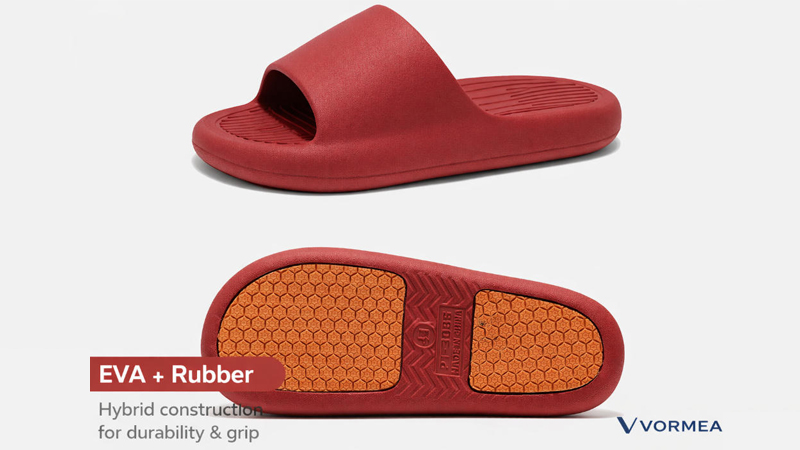
Combining EVA and rubber is one of the most practical sole design solutions in OEM slipper manufacturing.
Instead of choosing one material over another, this structure uses each material where it performs best.
EVA provides:
- lightweight comfort
- cushioning
- flexibility
Rubber provides:
- durability
- traction
- outsole protection
This combination helps brands achieve a better balance between:
- comfort
- performance
- product value
Learn more:
EVA and Rubber Combination Sole: Benefits, Structure & OEM Guide
Material Comparison Table
To simplify sourcing decisions, here’s a side-by-side performance snapshot:
| Material | Comfort | Durability | Weight | Cost | Best Use |
|---|---|---|---|---|---|
| EVA | High | Medium | Light | Medium | Indoor |
| PVC | Medium | Medium | Medium | Low | Bathroom |
| PU | High | High | Medium | High | Premium |
| Rubber | Medium | Very High | Heavy | Medium | Outdoor |
| Plush | High | Medium | Light | Medium | Winter |
How to Choose the Right Slipper Material
When buyers ask me which material is “best,” my answer is always the same:
It depends on positioning.
Decision Factors
- Target retail price
- Usage environment
- Comfort expectations
- Brand image
For example:
- Budget hotels → PVC
- Lifestyle brands → PU
- Casual home slippers → EVA
Reviewing different slipper materials side-by-side often clarifies the best direction.
Materials & Manufacturing Process Connection
Material selection doesn’t just influence performance — it determines production methods.
| Material | Manufacturing Method |
|---|---|
| EVA | Foaming / Injection |
| PVC | Injection molding |
| Rubber | Vulcanization |
| PU | Mold casting |
Understanding this connection helps buyers estimate mold cost, production lead time, and MOQ.
You can explore more related manufacturing topics in our future guides:
- How slippers are manufactured
- Injection vs compression molding for slippers
(These articles are currently under development.)
Conclusion
Each slipper material serves a different purpose. Understanding their strengths helps buyers choose the right OEM and wholesale strategy.
Slipper Materials FAQ (OEM & Wholesale)
What is the best material for slippers?
The best slipper material depends on usage. EVA is ideal for comfort and lightweight wear, PVC suits budget bathroom slippers, PU targets premium indoor markets, and rubber provides maximum durability for outdoor use.
Is EVA better than PVC for slippers?
EVA offers better cushioning, flexibility, and comfort, while PVC is more cost-effective and provides stronger waterproof and anti-slip performance in bathroom or hotel applications.
Are rubber sole slippers durable?
Yes. Rubber soles provide excellent abrasion resistance and slip protection, making them suitable for outdoor walking, wet environments, and long-term use.
Why are PU slippers considered premium?
PU slippers feature leather-like textures, refined surface finishing, and strong durability, making them suitable for boutique retail brands and high-end indoor positioning.
What material is best for wholesale slipper production?
For bulk wholesale projects, EVA and PVC are most commonly used due to mold efficiency and cost control, while PU and rubber are preferred for premium or performance-focused slipper designs.