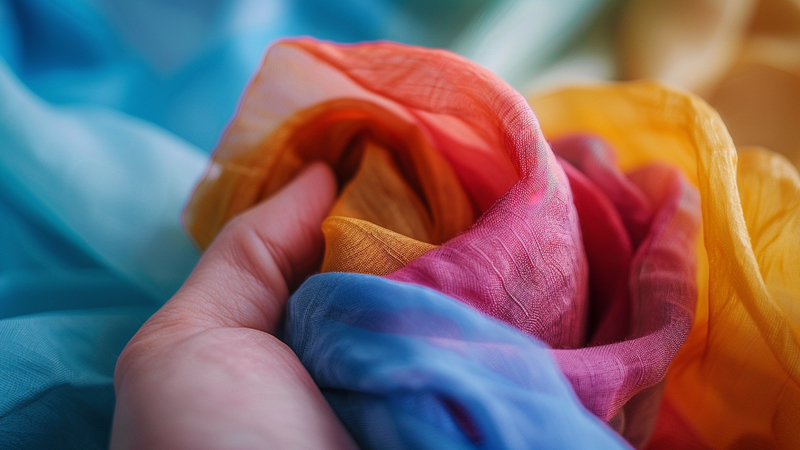
Washing a headscarf feels like a puzzle—too often, and it fades; too little, and it smells. I’ve learned the sweet spot through trial and error.
Wash headscarves every 2-3 wears, or immediately after sweating. Use cold water, mild detergent, and air dry. Adjust frequency based on material, weather, and activity level.
Clean scarves, happy life.
What factors influence the frequency of washing a head scarf?
I once wore a scarf to a summer wedding. By the end, it smelled like sunscreen and humidity. Now I consider these factors before tossing it in the wash.
Key factors:
- Material: Silk vs. cotton
- Weather: Hot vs. cold days
- Activity: Gym vs. office wear
- Skin type: Oily vs. dry skin
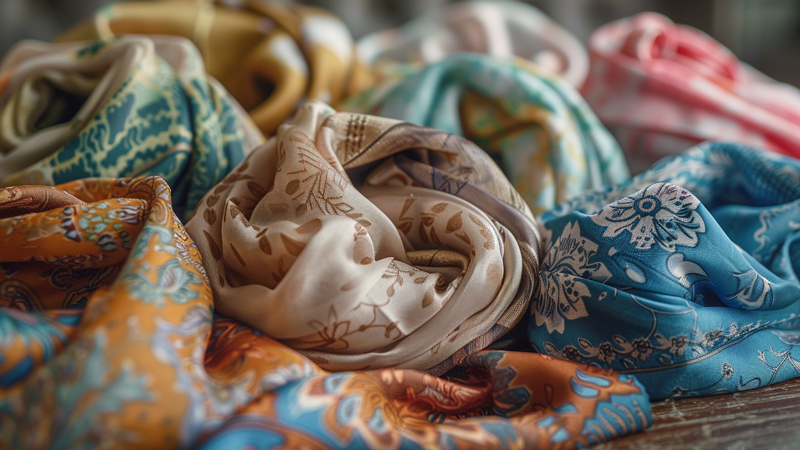
When to Wash vs. When to Air Out
Silk scarves1? They’re divas. I wash mine only after 3-4 wears unless I’ve been sweating. Cotton? More forgiving—2 wears max in summer.
Pro tip: Hang scarves outside overnight to freshen up. The breeze works wonders.
| Material | Wash Frequency |
|---|---|
| Silk | Every 3-4 wears |
| Cotton | Every 2 wears |
| Polyester | Every 2-3 wears |
| Jersey | After every wear if sweaty |
What are the best practices for washing different materials of head scarves?
I ruined my favorite chiffon scarf by tossing it in the washer. Now I hand-wash everything—yes, even cotton.
Washing tips:
- Silk: Cold water, gentle detergent, no wringing
- Cotton: Mild soap, lukewarm water
- Polyester: Quick wash, air dry
- Chiffon: Hand wash, lay flat to dry
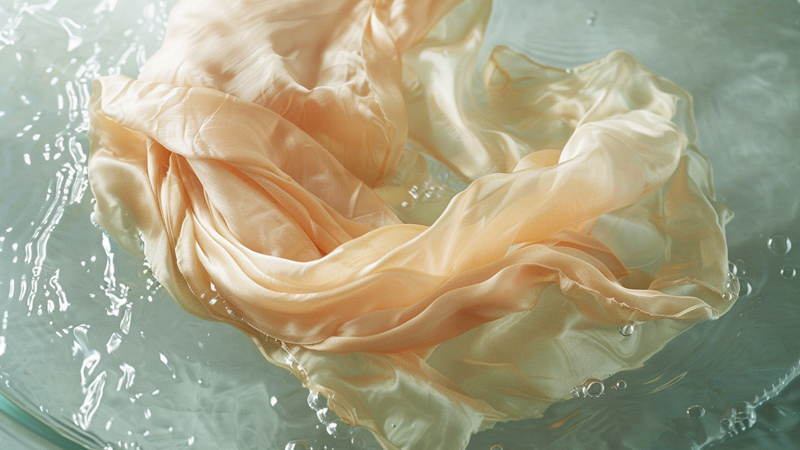
The Art of Hand-Washing
For silk, I use a baby shampoo hack2: 1 tsp in a basin of cold water. Swirl gently, rinse, and press (don’t twist!) between towels.
Cotton scarves can handle a bit more. I add a splash of white vinegar3 to the rinse water—it softens fabric and removes odors.
Never: Use fabric softener on silk4. It strips the natural sheen.
How can you maintain the quality of your head scarf through proper washing?
My grandma’s vintage scarves still look new because she followed one rule: Treat them like lingerie.
Quality care:
- Store flat or rolled, not folded
- Avoid direct sunlight when drying
- Use a mesh laundry bag for machine washing
- Iron on low heat with a cloth barrier
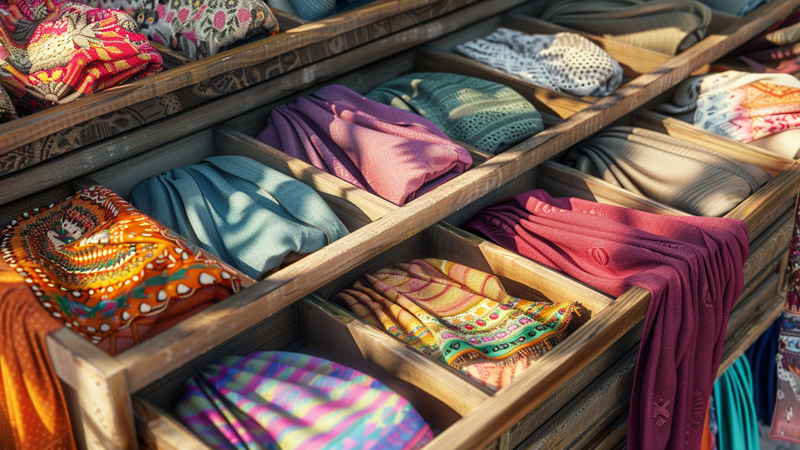
Storage Secrets
I keep my scarves in drawer dividers5, sorted by material. Silk gets its own section—no rough fabrics nearby to snag it.
Ironing tip6: Place a thin cotton cloth over the scarf before ironing. Prevents shine marks on silk and protects delicate prints.
What common washing mistakes should you avoid when caring for head scarves?
I once used hot water on a polyester scarf. It shrank so much, it became a doll’s accessory. Learn from my mistakes.
Avoid:
- Hot water (shrinks fabric)
- Harsh detergents (fades colors)
- Wringing (damages fibers)
- Dryers (causes pilling)
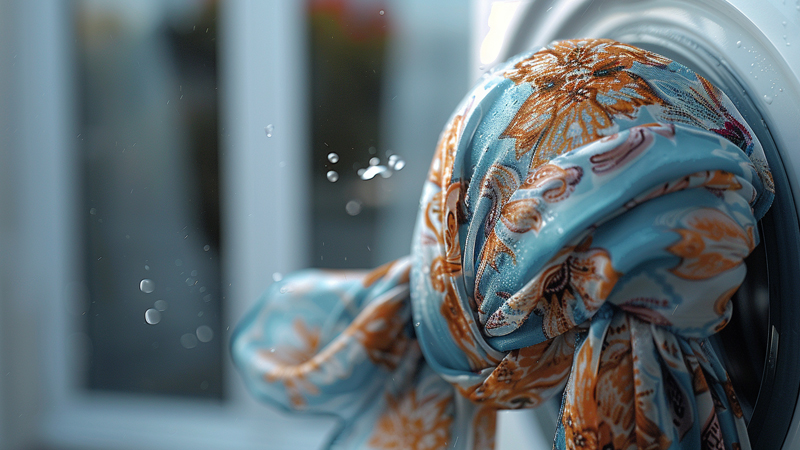
The Dryer Disaster
Dryers are the enemy. I air-dry everything on a drying rack7, laying scarves flat to prevent stretching.
Color-saving hack: Add 1 tbsp salt8 to the wash water for cotton scarves. It locks in dye and prevents fading.
Conclusion
Wash smart, not hard. Your scarves will thank you with years of flawless wear.
-
Explore expert tips on maintaining silk scarves to keep them looking fabulous and prolong their life. ↩
-
Discover the effective baby shampoo hack for cleaning silk and maintaining its quality. ↩
-
Learn how white vinegar can enhance your cotton scarf washing routine by softening fabric and removing odors. ↩
-
Understand the reasons behind avoiding fabric softener on silk to preserve its natural sheen and quality. ↩
-
Explore this link to discover top-rated drawer dividers that can help you keep your scarves organized and in pristine condition. ↩
-
Check out this resource for expert ironing tips that will help you maintain the beauty of your silk scarves without damaging them. ↩
-
Explore the advantages of drying racks for laundry, including energy savings and fabric care. ↩
-
Discover the science behind using salt in laundry to prevent color fading and enhance fabric longevity. ↩