
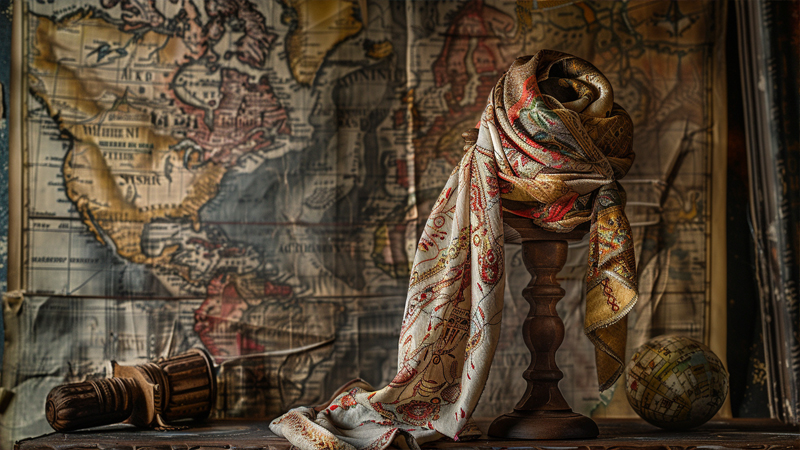
Headscarves have woven their way through countless cultures, evolving from practical head coverings to iconic symbols of identity and style.
The headscarf has a rich, global history, evolving through cultural influences, fashion trends, and personal expressions of identity.
Let’s explore how this iconic accessory became what it is today, tracing its origins, evolution, and cultural significance.
What are the origins of headscarves in various cultures?
Headscarves have appeared in different corners of the world for centuries, often carrying deep symbolic meaning beyond mere fashion.
Early headscarves emerged in ancient civilizations for practical, religious, and cultural reasons, each region adding its own spin.
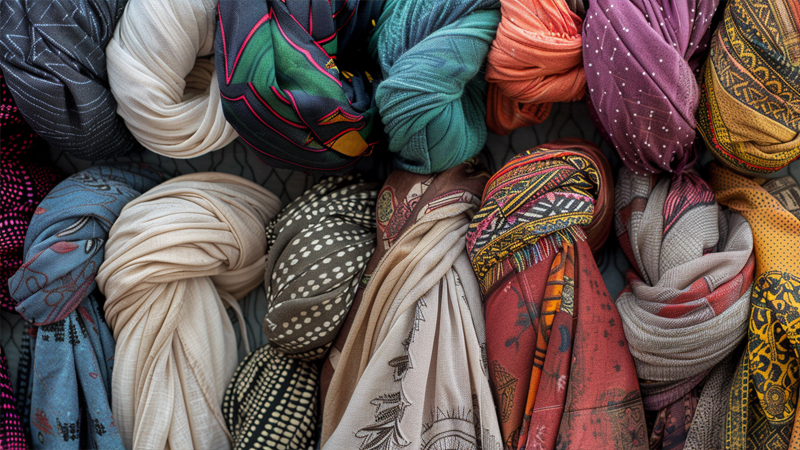
In ancient Mesopotamia and Egypt, a simple square of fabric protected hair from the harsh sun and dust, while also signifying status. In India, dupattas1 symbolized modesty, and in West Africa, colorful headwraps celebrated tribal heritage2. Even in medieval Europe, laborers and noblewomen alike used scarves—each usage steeped in its own meaning.
Layers of Identity
For many, a headscarf wasn’t just a functional item—it was a badge of identity. In ancient Greece, veils denoted social standing; in Islamic cultures, head coverings express faith and modesty; and in modern contexts, headscarves have become statements of both fashion and personal freedom.
| Culture | Purpose | Typical Material |
|---|---|---|
| Ancient Egypt | Sun protection, royal status | Linen, gold accents |
| Victorian Era | Mourning and modesty | Fine cotton, crepe |
| West Africa | Tribal identity, celebration | Vibrant wax prints |
| Modern Global | Fashion statement, religious expression | Various textiles |
How have headscarf styles evolved over time?
Headscarves have journeyed from everyday utility to high-fashion statements, reflecting shifts in society and art.
Headscarf styles evolved by blending tradition with changing trends, resulting in countless variations across eras—from simple coverings to elaborate, chic wraps.
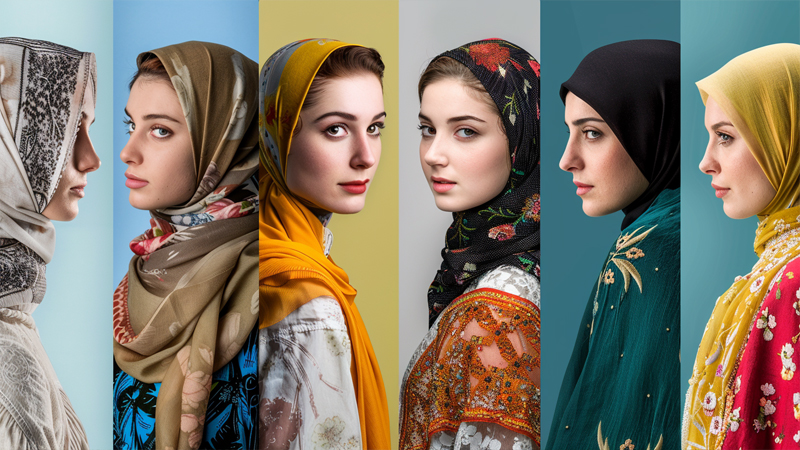
Over the decades, fabrics have transformed—from coarse weaves to luxurious silks3—allowing for vibrant patterns and intricate designs. The 1950s saw the emergence of the glamorous "babushka" style, while the 1960s and 1970s embraced bold geometric prints4 and free-flowing bandanas. Today, headscarves5 appear on runways and in street style, reinterpreted through modern tutorials and creative twists.
From Royals to Runways
Icons like Audrey Hepburn and Grace Kelly elevated headscarves to art, inspiring designers such as Hermès and Gucci to launch exclusive lines. Whether tied as a neat band or a dramatic turban, the headscarf remains both a timeless accessory and a dynamic canvas for self-expression.
How have headscarves featured in historical fashion trends?
Headscarves have been at the heart of fashion revolutions, from rebellious flapper styles to the refined elegance of old Hollywood.
Throughout history, headscarves have starred in prominent fashion moments, worn by icons and everyday individuals alike.
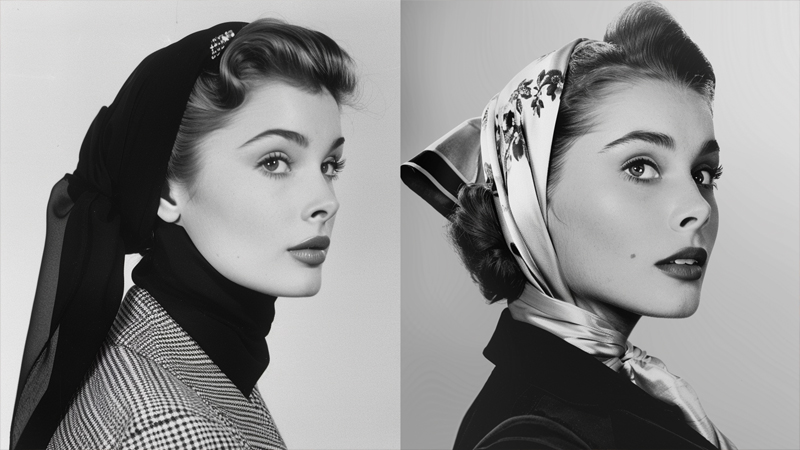
Vintage photos reveal elegant scarves draped under chin or tied with effortless grace. In the 1920s, flappers adopted headscarves as symbols of liberation, while the 1950s brought structured, glamorous looks to the forefront. Today, social media platforms6 continue to celebrate headscarf trends, blending retro charm with modern innovation.
What cultural significance have headscarves held through the ages?
Headscarves are much more than fashion accessories; they are imbued with cultural, political, and personal meaning.
Headscarves carry layers of meaning—from religious devotion and modesty to political resistance and cultural pride, they represent deeply held beliefs and histories.

In some regions, a headscarf is an emblem of resistance7—a silent protest against oppression. In others, it signifies a rite of passage8 or a mark of social status. For many, the headscarf is a living legacy that connects generations, echoing stories of queens, rebels, and everyday heroes. Whether worn as a symbol of faith or as a bold fashion statement, the headscarf continues to adapt to the cultural rhythms of its wearers.
A Living Legacy
Consider how headscarves have evolved from simple protective gear into a medium that communicates identity and personal narrative. Each knot and fold can represent heritage, rebellion, or even a personal milestone.
Conclusion
From ancient civilizations to modern runways, headscarves remain a powerful symbol of cultural identity and personal style. They connect us to our past, enrich our present, and inspire future expressions of creativity.
-
This resource will delve into the cultural significance of dupattas, highlighting their role in representing modesty and tradition in India. ↩
-
Discover how headwraps are not just fashion but a vibrant expression of identity and heritage in West African cultures. ↩
-
Discover why luxurious silks are favored in fashion for their quality, texture, and aesthetic appeal. ↩
-
Learn about the impact of bold geometric prints on contemporary fashion and their role in self-expression. ↩
-
Explore the evolution of headscarves in fashion, from utility to high-fashion statements, and their cultural significance. ↩
-
Learn how social media is shaping contemporary headscarf trends and connecting fashion enthusiasts worldwide. ↩
-
Discover how headscarves symbolize resistance and empowerment in various movements around the world. ↩
-
Learn about the important cultural rites of passage linked to headscarves and their significance in different communities. ↩