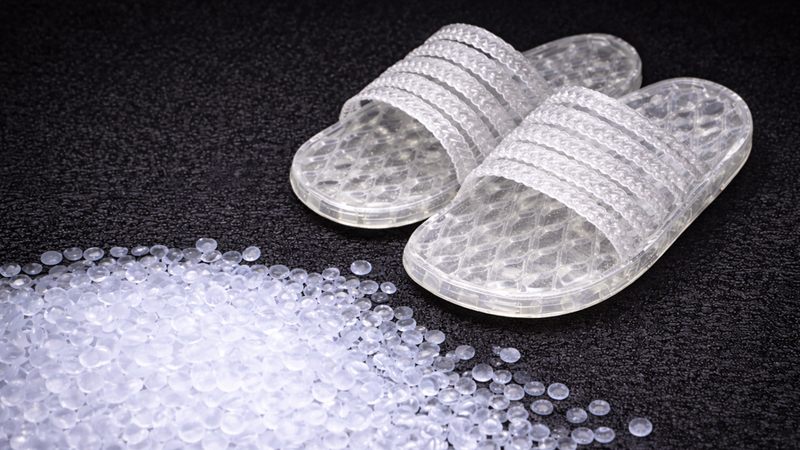
When buyers compare slipper materials for mass-market projects, PVC is usually one of the first options on the table.
Not because it is the most comfortable. It usually is not.
But in real OEM and wholesale work, PVC remains common because it is affordable, waterproof, easy to mold, and highly practical for large-volume production.
Featured Snippet
PVC in slippers refers to Polyvinyl Chloride, a widely used plastic material applied in slipper soles, uppers, and molded components. It is valued for low cost, waterproof performance, durability, and easy mass production, making it common in bathroom slippers, budget household slippers, and other price-sensitive OEM projects.
For buyers, PVC is not just a “cheap plastic.” It is a material choice tied to cost control, mold efficiency, waterproof use, and mass-market positioning. At the same time, it comes with clear trade-offs in weight, softness, smell, and wet-floor performance.
For a broader comparison of common slipper materials, see our complete guide to slipper materials.
What Is PVC Material in Slippers
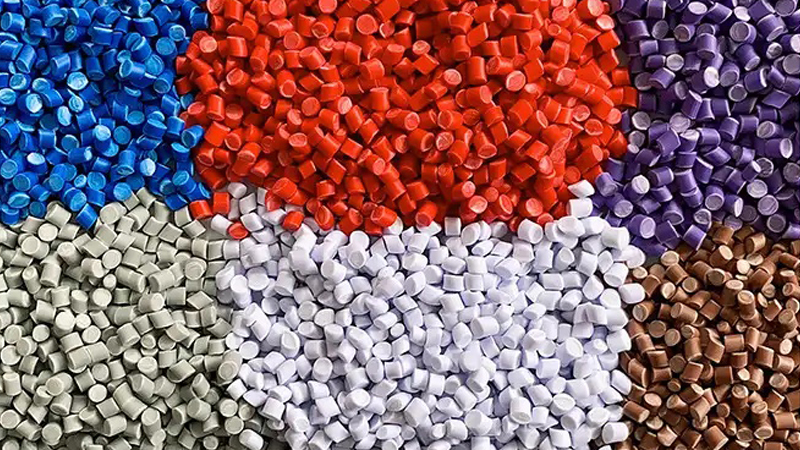
PVC stands for Polyvinyl Chloride, one of the most widely used plastic materials in consumer goods and industrial products.
In slippers, PVC is commonly used for:
- one-piece molded slippers
- waterproof bathroom slippers
- slipper soles
- slipper uppers or straps
- decorative PVC components
- basic household and public-use slippers
From a product point of view, PVC is often chosen because it offers a practical balance of:
- low material cost
- waterproof performance
- easy molding
- strong color flexibility
- decent durability for everyday use
This is why PVC appears so often in:
- budget retail slippers
- hotel and public-use slippers
- supermarket private label value lines
- bathroom slippers
- promotional slippers
- low-cost cross-border listings
PVC can be made in both softer and firmer forms depending on formulation and structure. However, even when softened, it usually still feels heavier and more plastic-like than EVA.
That is why buyers often compare PVC with EVA when building entry-level product lines. If you want the lighter and softer side of that comparison first, read What Is EVA Material in Slippers? Properties, Manufacturing & OEM Guide.
Quick Definition Table
| Item | PVC in Slippers |
|---|---|
| Full name | Polyvinyl Chloride |
| Material type | Thermoplastic polymer |
| Main benefits | Low cost, waterproof, easy molding |
| Common uses | Soles, uppers, bathroom slippers, budget molded slippers |
| OEM advantage | Efficient for mass production and low-cost projects |
Key Properties of PVC in Slipper Manufacturing
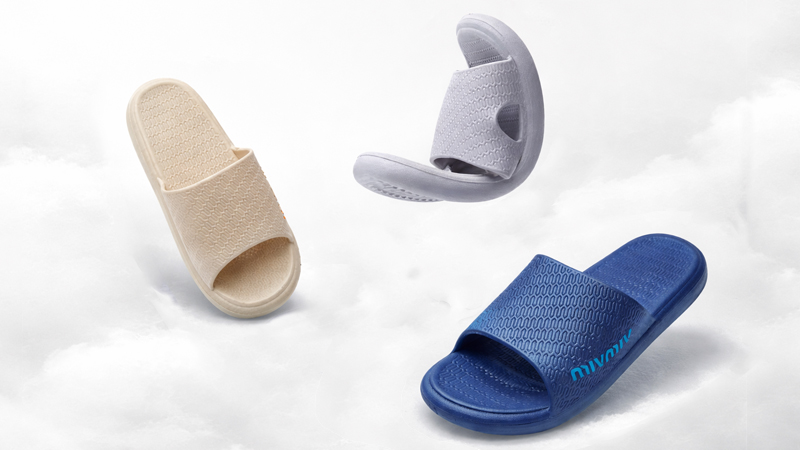
PVC stays popular in slipper manufacturing because it solves several commercial and production problems at the same time.
1. Waterproof Performance
PVC does not absorb water easily, which makes it suitable for:
- bathroom slippers
- shower slippers
- poolside slippers
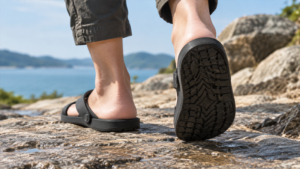
- basic beach slippers
- easy-clean household slippers
This is one of the main reasons PVC remains common in low-cost waterproof slippers.
2. Easy Molding and Fast Production
PVC works well in mass-production systems. It can be molded into:
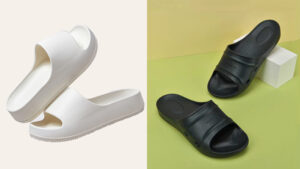
- simple one-piece slippers
- structured straps
- decorative upper components
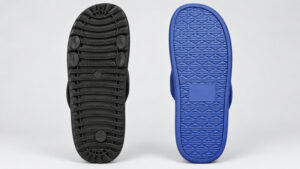
- textured outsole patterns
For factories producing large quantities at a price-sensitive level, this matters a lot in practical terms.
3. Low Cost
PVC is one of the more affordable materials used in slippers. For projects where the target price matters more than premium comfort, PVC can be a practical choice.
This is why it is common in:
- budget retailer programs
- supermarket basic lines
- public amenity slippers
- promotional gift-grade projects
- short-cycle retail styles
4. Good Color and Surface Flexibility
PVC can be produced in many appearances, including:
- solid colors
- bright colors
- transparent effects
- glossy finishes
- embossed or decorative surfaces
That gives it value in lower-cost fashion slippers as well as functional waterproof styles.
5. Reasonable Durability for the Price
PVC is not usually chosen for premium comfort, but it can offer acceptable durability in many standard-use slipper programs, especially when designed correctly for the intended use.
PVC Property Overview
| Property | Typical PVC Performance | Why It Matters for Slippers |
|---|---|---|
| Water resistance | High | Good for bathroom and shower use |
| Cost | Low | Suitable for bulk and price-sensitive orders |
| Moldability | High | Efficient for mass production |
| Weight | Medium to high | Heavier than EVA |
| Softness | Low to medium | Usually less cushioned than EVA |
| Surface flexibility | High | Easy to create many visual styles |
These strengths explain why PVC still holds an important place in the market, even though many buyers now prefer EVA for comfort-focused programs.
PVC Weight, Softness and Material Feel
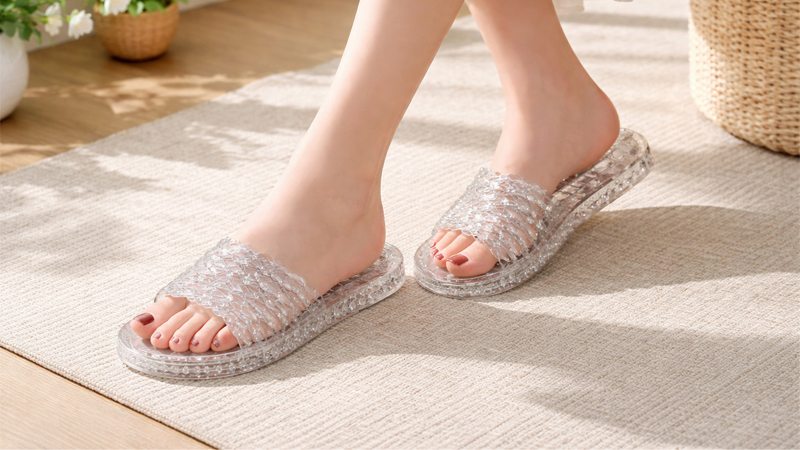
One of the biggest differences between PVC and EVA is how the slipper feels in actual use.
PVC Usually Feels Heavier
Compared with EVA, PVC usually has a higher density and a heavier feel. In the same size range, a PVC slipper often feels more substantial in hand and on foot.
That can be acceptable in basic bathroom or public-use slippers, but it is not ideal for buyers who want a lightweight comfort story.
PVC Usually Feels Harder
PVC slippers often feel:
- firmer
- cooler to the touch
- more plastic-like
- less springy underfoot
Softened PVC can improve comfort, but there is a limit. When manufacturers push softness too far with low-grade formulations, buyers may later see complaints about:
- stickiness
- deformation
- unstable feel
- stronger odor
Rebound Is Usually Weaker Than EVA
PVC can work for basic cushioning, but it usually does not deliver the soft rebound that many buyers now expect from modern indoor slippers.
That is why cloud-style, lightweight comfort projects more often move toward EVA. For the material-side explanation, see What Is EVA Material in Slippers? Properties, Manufacturing & OEM Guide. For the direct sourcing comparison, this article will later connect naturally to EVA vs PVC Slippers: Which Is Better for Wholesale.
Feel Comparison Table
| Feature | PVC | EVA |
|---|---|---|
| Touch feeling | Cooler, more plastic-like | Softer, warmer, foam-like |
| Weight | Heavier | Lighter |
| Cushioning | Basic to moderate | Better for comfort use |
| Rebound | Lower | Higher |
| Wet skin feel | Can feel slippery or sticky | Usually drier and lighter |
For buyers, this means PVC works better when cost and waterproof performance come first, while EVA works better when comfort and low weight lead the brief.
How PVC Slippers Are Manufactured
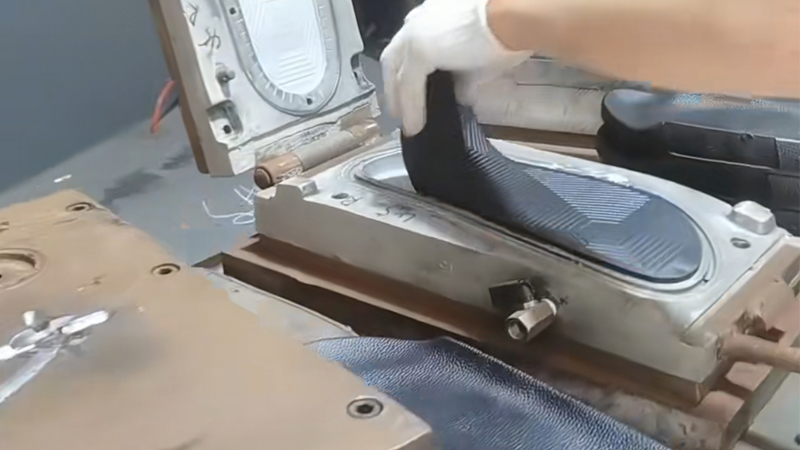
PVC slippers can be produced through several different processes depending on the product structure and target market.
1. Injection Molding
This is one of the most common methods for PVC slippers.
It is widely used for:
- one-piece PVC slippers
- simple molded bathroom slippers
- basic low-cost slipper programs
- PVC straps and components
Main advantages:
- high production efficiency
- good consistency
- fast repeat orders
- suitable for price-sensitive projects
2. Molded Foaming or Compression-Type Processes
When manufacturers want a softer PVC sole structure, a foaming route may be used.
This can help create:
- lighter PVC soles
- softer bathroom slipper bottoms
- slightly more cushioned low-cost slippers
However, softer PVC still usually does not feel like EVA in wear.
3. Calendaring for Uppers and Decorative Parts
PVC can also be processed into sheets or surface materials for:
- slipper uppers
- decorative overlays
- artificial leather-style strap surfaces
- printed or embossed components
Basic Process Comparison
| Process | Best For | Main Advantage | Typical Limitation |
|---|---|---|---|
| Injection molding | One-piece PVC slippers | Fast and efficient | Less comfort-driven |
| Molded foaming | Softer PVC sole structures | Better weight and feel | Still limited compared with EVA |
| Calendaring | PVC uppers and decorative parts | More visual flexibility | More component-based structure |
In practical sourcing, these process differences matter because they affect consistency, styling flexibility, and the final comfort level of the product.
Why PVC Is Popular in Low-Cost and Waterproof Slipper Projects
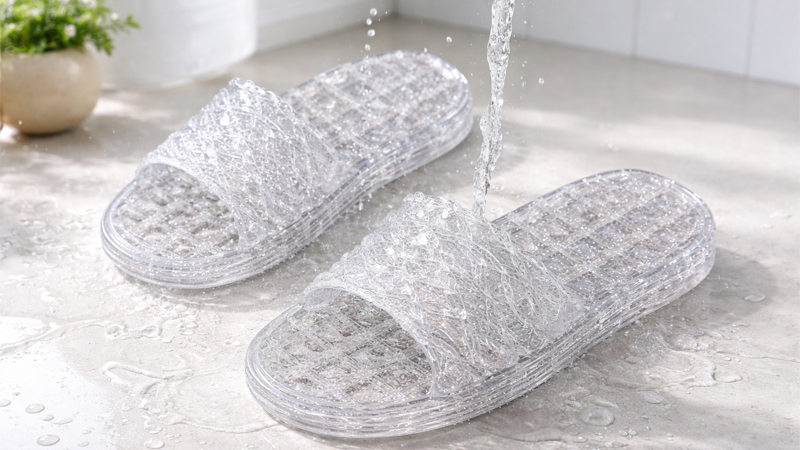
PVC remains popular because it fits several commercial needs very well.
1. It Matches Price-Sensitive Projects
Many buyers are not building premium comfort lines. They are building products that must hit a strict target cost.
That includes:
- supermarket value lines
- entry-level household slippers
- public amenity programs
- promotional giveaways
- short-cycle trend products
- cross-border low-price listings
In these cases, PVC can make commercial sense.
2. It Performs Well in Waterproof Use
For bathroom and shower slippers, waterproof performance matters more than premium rebound.
PVC is commonly used in:
- bathroom slippers
- waterproof household slippers
- poolside slippers
- simple beach slippers
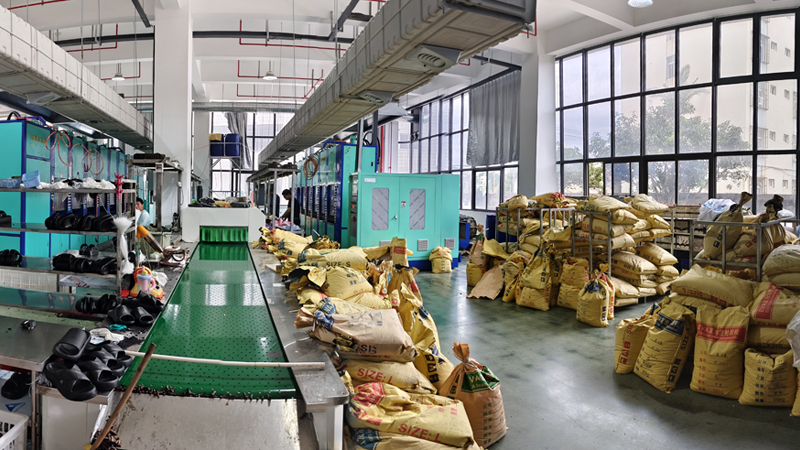
3. It Supports Large Volume Production
Factories can produce PVC slippers efficiently at scale, which makes it useful for buyers who need:
- stable large-volume supply
- standard shapes
- repeatable colors
- simple private label projects
4. It Fits Certain Buyer Types Very Well
PVC is especially relevant for:
- budget retailers
- hotel and public-use buyers
- supermarket private label value lines
- bathroom slipper wholesalers
- promotional low-cost project buyers
- emerging-market importers
- low-price cross-border sellers
Common PVC Project Fits
| Project Type | Why PVC Works |
|---|---|
| Bathroom slippers | Waterproof and easy to clean |
| Budget household slippers | Low cost and easy to mass-produce |
| Hotel / public-use slippers | Efficient for bulk supply |
| Promotional projects | Strong price advantage |
| Budget marketplace listings | Supports low entry price |
PVC is not the most fashionable answer to every product brief, but for the right market position, it remains commercially useful. Buyers who want a more refined indoor look often move toward PU Slippers: Premium Material Guide for OEM Buyers instead.
Limitations of PVC Material
PVC has real strengths, but it also has some of the most common buyer complaints in low-cost slipper sourcing.
Understanding these limitations helps prevent the wrong material choice.
1. Odor Problems
This is one of the most common complaints in PVC slipper projects.
Strong smell often comes from:
- recycled material
- low-grade additives
- poor plasticizer choice
- incomplete post-production airing
In real OEM work, odor complaints can seriously affect:
- retail acceptance
- customer reviews
- compliance confidence
- long-distance shipping perception
2. PVC Can Feel Too Hard
In low-cost projects, factories may reduce softening components to cut cost. The result can be slippers that feel:
- too hard
- too stiff
- less comfortable for long wear
- more likely to rub the foot
This is one reason many comfort-focused buyers prefer EVA instead.
3. Wet-Floor Grip Is Not Always Strong
PVC is not automatically a high-grip material.
In practical use:
- dry-floor performance may be acceptable
- wet-floor performance depends heavily on pattern design
- soapy bathroom floors can be risky
In other words, PVC does not become anti-slip just because it is used in a bathroom slipper. Tread depth, pattern layout, and surface structure matter more.
This topic will connect naturally to PVC vs Rubber Bathroom Slippers: Which Has Better Anti-Slip Performance, especially for buyers evaluating bathroom safety more closely.
4. Yellowing and Aging
PVC can show:
- yellowing
- whitening marks after flexing
- surface aging
- brittleness over time
This is more visible in transparent or low-grade PVC products.
5. Poor Performance in Extreme Heat or Cold
PVC is not ideal in temperature extremes.
Possible complaints include:
- hardening and cracking in cold weather
- softening or deformation in high heat
- instability after hot-water exposure or strong sun
6. Stickiness and Plasticizer Migration
In lower-grade PVC, the surface may become sticky over time. This can lead to:
- dust attraction
- uncomfortable touch
- dirty appearance
- lower perceived quality
7. Compliance and Material Safety Concerns
For buyers selling into stricter markets, low-quality PVC may raise concerns around:
- excessive odor
- non-compliant plasticizers
- heavy metal limits
- failed retailer or customs testing
This is not a reason to avoid all PVC, but it is a reason to choose suppliers carefully.
PVC Complaint Snapshot
| Common Complaint | Typical Cause | Possible Direction |
|---|---|---|
| Strong smell | Recycled content or poor additives | Better raw material and airing control |
| Too hard | Cost-driven formulation | Rebalance comfort and target price |
| Slippery in soapy water | Weak tread design | Improve outsole pattern and structure |
| Yellowing | Aging and low-grade material | Upgrade formulation and finish |
| Cracking in cold weather | Weak low-temperature performance | Avoid PVC for cold-climate use |
| Deformation under heat | Poor thermal stability | Avoid heat-heavy positioning |
| Compliance failure | Unsafe additives | Use better-certified material sources |
These limitations do not mean PVC should never be used. They mean PVC needs to be chosen for the right product brief.
When Should OEM Buyers Choose PVC
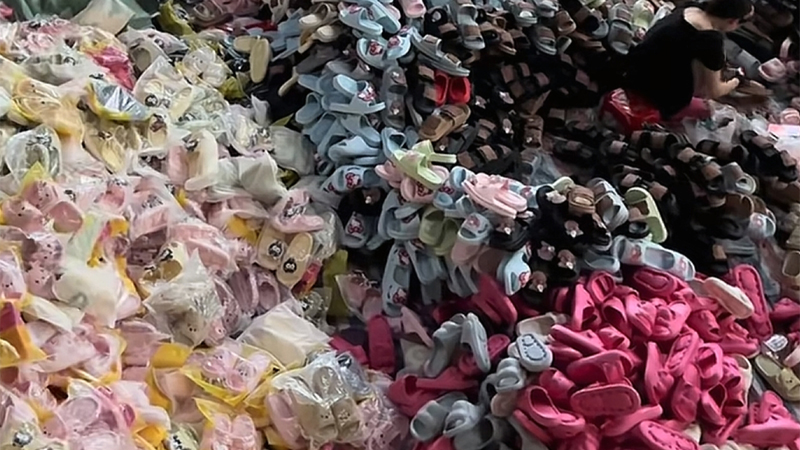
The better question is not “Is PVC good?”
The better question is:
When is PVC the right decision for the product and the market?
PVC Is a Good Choice When
- the project is highly price-sensitive
- waterproof performance matters
- the slipper is intended for bathroom or public-use settings
- the buyer needs large-volume production at basic cost
- the target market accepts a firmer and heavier product feel
- fast and simple molding efficiency matters more than premium comfort
PVC Is Less Ideal When
- lightweight comfort is the main selling point
- the product is aimed at premium indoor use
- strong rebound and soft feel are expected
- the market is sensitive to odor complaints
- the slipper must perform well on soapy wet floors
- the product is aimed at colder climates or high-end comfort positioning
OEM Decision Guide
| Buyer Scenario | PVC Suitability | Notes |
|---|---|---|
| Budget bathroom slipper line | High | Strong cost and waterproof logic |
| Hotel or public-use project | High | Easy bulk supply |
| Supermarket value line | High | Matches entry-level positioning |
| Premium indoor comfort line | Low | EVA or PU may fit better |
| Lightweight travel slippers | Low | PVC is usually too heavy |
| Wet soapy anti-slip focus | Medium to low | Needs careful sole design or other materials |
| Cross-border low-price listing | High | Good for entry pricing |
For many buyers, PVC works best in:
- entry-level product lines
- low-cost waterproof slippers
- basic household use
- price-sensitive bulk programs
- public amenity basic lines
If you want a softer and lighter route, compare with What Is EVA Material in Slippers? Properties, Manufacturing & OEM Guide. If you want a more premium indoor route, compare with PU Slippers: Premium Material Guide for OEM Buyers.
PVC vs Other Slipper Materials
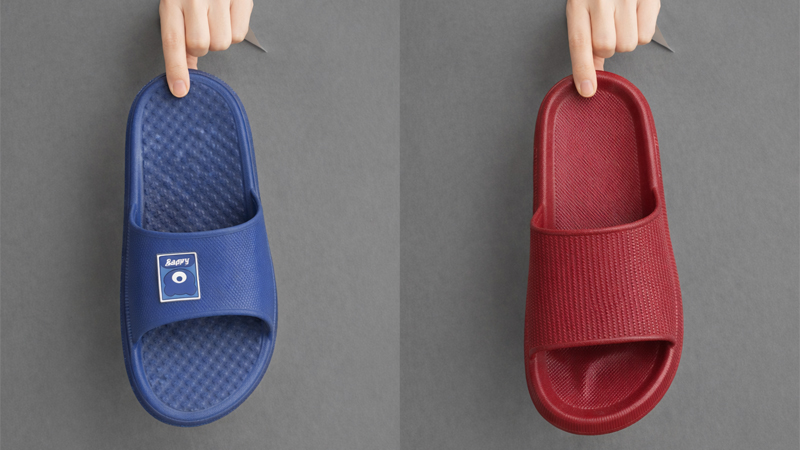
PVC is rarely chosen in isolation. In most OEM discussions, buyers are comparing it with other materials.
PVC vs EVA
PVC is usually:
- cheaper
- heavier
- firmer
- more plastic-like
- more common in budget waterproof projects
EVA is usually:
- lighter
- softer
- more cushioned
- better for comfort positioning
For the material-side explanation, continue with What Is EVA Material in Slippers? Properties, Manufacturing & OEM Guide. For the direct sourcing comparison, this article will later connect to EVA vs PVC Slippers: Which Is Better for Wholesale.
PVC vs Rubber
PVC is usually lower in cost and easier for many basic mass-market slipper projects. Rubber is usually stronger in:
- abrasion resistance
- grip
- outdoor durability
If the main question is wet-floor safety, continue with PVC vs Rubber Bathroom Slippers: Which Has Better Anti-Slip Performance. If the question is more about rubber as a material system, see Rubber Sole Slippers: Durability & Anti-Slip Benefits.
PVC vs PU
PVC usually wins on cost. PU may offer a more premium feel and can fit better in indoor comfort or fashion-driven structures, depending on the project.
For the premium indoor material logic, continue with PU Slippers: Premium Material Guide for OEM Buyers. If you want the direct sourcing comparison later, this topic can also connect naturally to PU vs EVA Slippers: Which Material Offers Better Value.
Quick Comparison Table
| Material | Main Strength | Main Limitation |
|---|---|---|
| PVC | Low cost and waterproof use | Heavier, harder, odor risk |
| EVA | Lightweight comfort | Lower abrasion resistance than rubber |
| Rubber | Grip and durability | Heavier and often higher cost |
| PU | More premium feel | Costlier than PVC |
For the full overview, return to our complete guide to slipper materials.
Conclusion
PVC remains an important slipper material because it serves a very specific purpose in the market.
It is not the softest option, not the lightest option, and not the cleanest choice for every comfort-focused project. But for waterproof slippers, budget household lines, public-use programs, and price-sensitive bulk orders, PVC can still be a practical OEM solution.
The key is to choose PVC for the right reason.
If your project is driven by low cost, waterproof function, and scalable production, PVC may still be one of the most efficient materials to consider.
If your project is driven by lightweight comfort, rebound, and premium user feel, you will probably want to compare it carefully with What Is EVA Material in Slippers? Properties, Manufacturing & OEM Guide, PU Slippers: Premium Material Guide for OEM Buyers, and the broader slipper materials guide.
PVC Slippers FAQ
What is PVC material in slippers
PVC in slippers refers to Polyvinyl Chloride, a plastic material commonly used for slipper soles, uppers, and molded waterproof structures. It is widely used because it is low-cost, waterproof, and easy to mass-produce.
Are PVC slippers good
PVC slippers can be a good choice for bathroom use, public-use projects, and budget product lines. They are not usually the best option for buyers who want lightweight comfort or premium rebound.
Are PVC slippers better than EVA slippers
PVC is usually cheaper and more waterproof-focused, while EVA is usually lighter, softer, and more comfortable. The better choice depends on whether your project is driven more by cost or by comfort.
Are PVC slippers slippery
They can be. PVC does not guarantee strong anti-slip performance by itself. On wet or soapy floors, tread design and outsole structure matter a lot.
Do PVC slippers smell
Low-quality PVC slippers can have strong odor problems, especially when recycled material or poor additives are used. Better raw material quality and process control can reduce this risk.
When should OEM buyers choose PVC slippers
PVC is usually worth considering for low-cost waterproof slippers, supermarket value lines, hotel or public-use programs, and other price-sensitive bulk projects. For comfort-first indoor slippers, EVA may be a better starting point.